
Further Careers information for pupils
It is important for all young people to stay in ‘learning’ after 16 and gain qualifications, skills or workplace experiences. However, it is important to remember that ‘learning’ can take place in different settings, including school, college, through work with training, bespoke programmes or even volunteering.
When looking at your options moving forward you will need to know what level you are currently working at to know what options and pathways are available for you. When exploring your options you can also think about distance and travel options.
Employment, Education, Training
Welcome to the Education, Employment and Training section of the website.
Young people say that getting a good job and earning money are important to them. It helps to develop a career plan based on what interests you. This section will give you some ideas, options and pathway suggestions to begin this important stage in your life.
Moving from school to college – advice and support
-
You will need to have a good transition from secondary school to college.
This is a very important transition and the earlier this is thought about, the better it will be.
-
Don’t be afraid to ask questions
No matter how silly you think they sound!
-
Do your research and look at the college website.
Things like what support they can offer you, their SEN Policy, Equality Objective and their SEN Information Report.
Post- 16 options
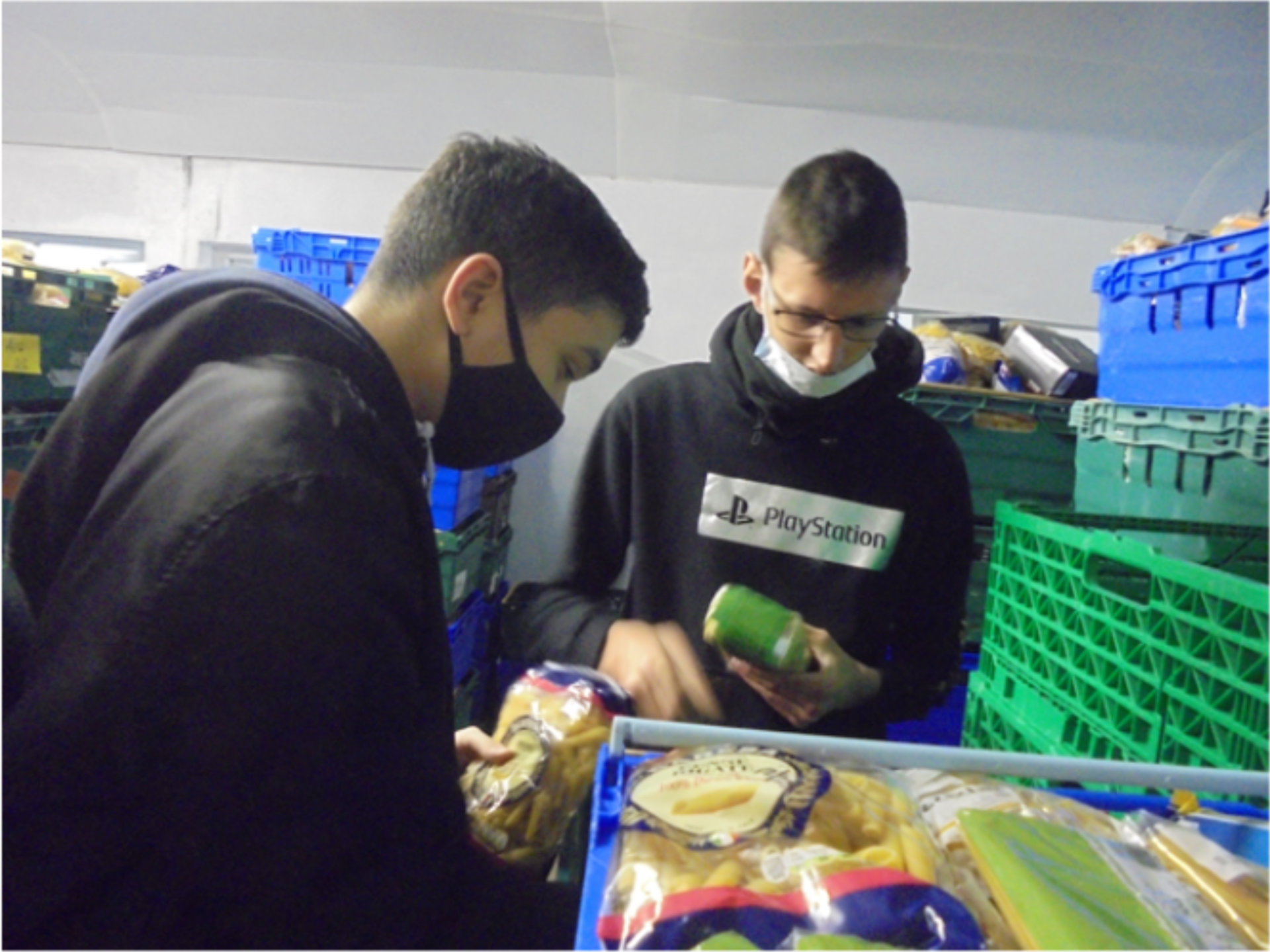
- Further Education
- Higher Education
- Apprenticeships
- Traineeships
- Supported internships
- Work and Learning (separately)
- Work trial
Orchard Hill College
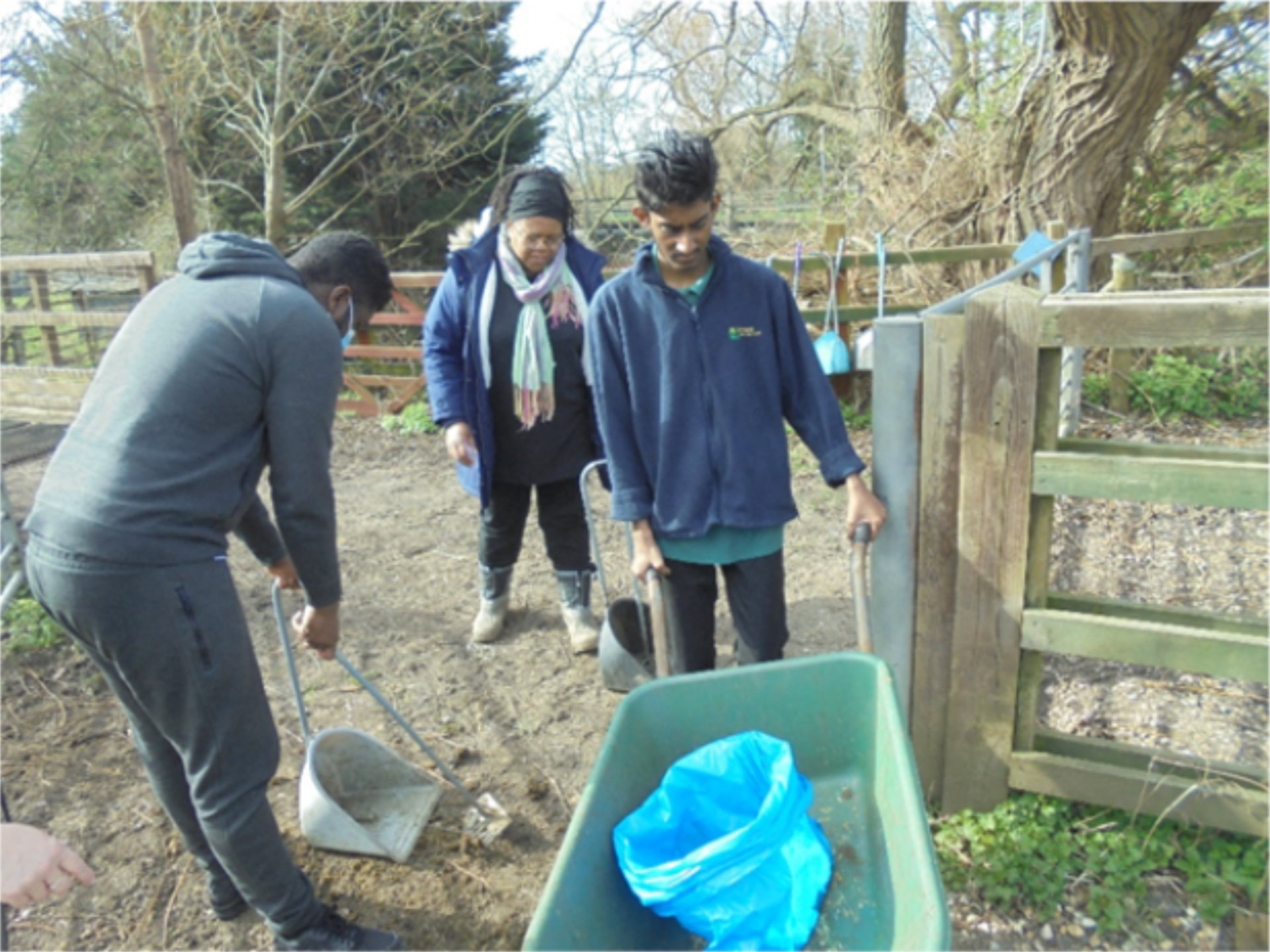
Orchard Hill College are a specialist college committed to offering social and vocational opportunities for students in the heart of their communities.
Uxbridge College
There are many courses and apprenticeships to choose from at Uxbridge College, ranging from level 1-level 4.
Foundation Learning & Skills for Life
Our courses are suitable for students who have few or no formal qualifications and would like to progress onto a vocational course in the future. They are suitable for people with special educational needs.
Traineeships
Participating in a Traineeship allows a young person to develop their skills and gain qualifications (including English and Maths for those who need it) whilst benefitting from high quality work experience. They can last from 6 weeks to 6 months and can be an ideal stepping stone to an apprenticeship and work.
The work experience placement is not paid, but the costs of travel and lunch might be supported by the training provider or employer.
Traineeships are suitable for those working at around Level 1 and who might benefit from additional support to prepare them for work.
A traineeship will put you in a better position to compete for an Apprenticeship or gain employment. Traineeships give you the opportunity to build your CV and get vital experience with local and national employers.
Employers are at the centre of traineeships to ensure they give you the skills you need to secure a job and succeed in employment.
A traineeship is a training programme designed to prepare you for your future career, helping you to get ready for the world of work and improve your chances of getting an Apprenticeship or other job.
Employers are at the centre of traineeships to ensure they give you the skills you need to secure a job and succeed in employment.
Supported Internships
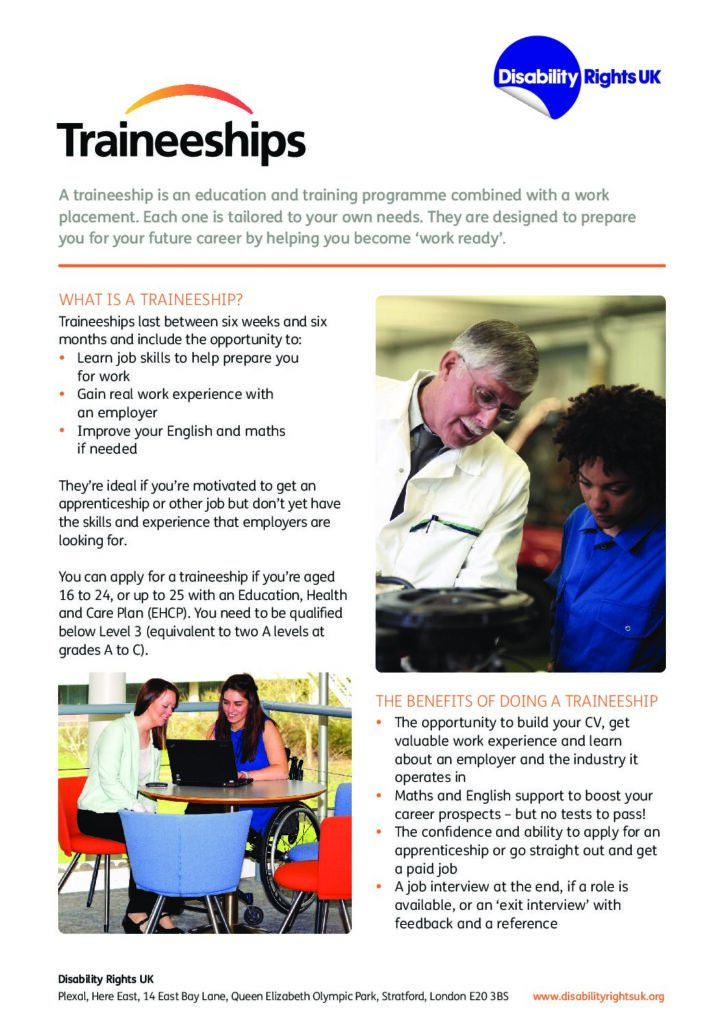
Supported Internship programmes are available for young people aged 16-24 who have additional needs and hold an Education, Health and Care Plan and who wish to take their next steps towards employment.
Supported Internships are personalised study programmes, designed to better enable young people with learning difficulties and/or disabilities to achieve sustainable paid employment, by equipping them with the skills they require for the workplace.
They are available through several Post 16 FE providers and normally consist of a minimum of two days a week in a work placement and one day a week at college.
Students will have access to a Job Coach who will support them in the work place and work alongside the tutor whilst students are in college.
Supported Internships bridge the gap between education and employment, and help to improve independence and self-esteem.
If your child’s goal is to move into work they could join a Supported Internship, pre-apprenticeship programme or traineeship. Supported Internships are specifically for young people aged 16-24 with an EHCP. They are classified as ‘study programmes’ and are tailored to meet the needs of the young person and employer. Supported internships are offered by FE/Sixth form colleges and some independent training providers.
Reasonable Adjustments
All public sector services have a legal duty to make ‘reasonable adjustments’ to the way they make their services available to disabled people.
Employers are required to make reasonable adjustments to any elements of the job which place a disabled person at a substantial disadvantage compared to non-disabled
people
Access to Work
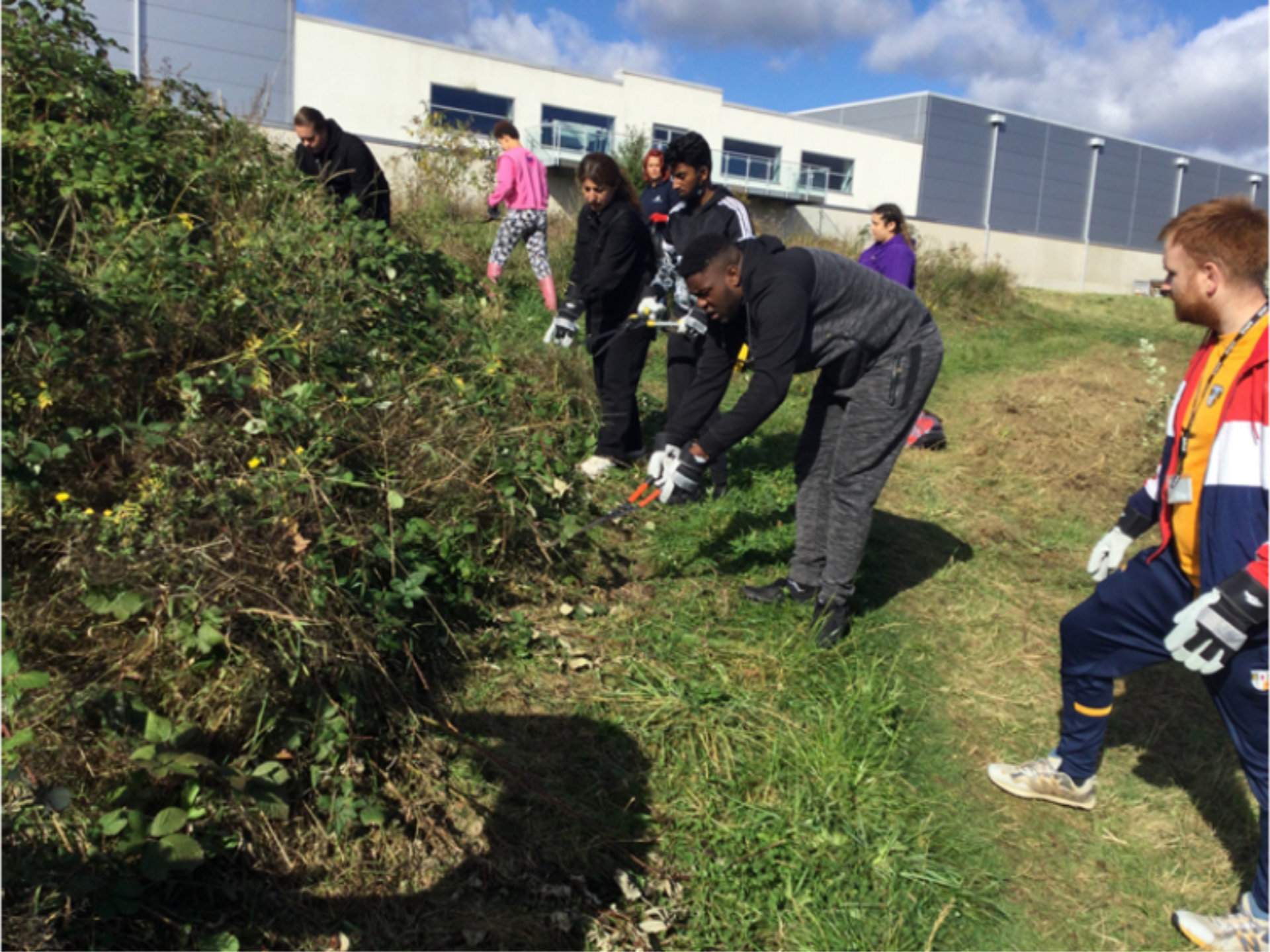
An Access to Work (AtW) grant can pay for practical support if you have a disability, health or mental health condition to help you:
- Start working
- Stay in work
- Move into self-employment or start a business
You can apply for support with:
- Jobs
- Apprenticeships
- Traineeships
- Supported internships
Examples of the kind of help available through Access to Work are:
- Help towards the additional costs of taxi fares if you cannot use public transport to get to work
- A support worker, such as a reader for somebody with a visual impairment; communicator for a deaf person; a specialist job coach for a person with a learning difficulty; or a helper for personal care needs at work
- Specialist equipment (or alterations to existing equipment) to suit your particular needs
Find out more
Find out more “Help and support for young disabled people to find and stay in work”
Other Benefits
Personal Independence Payment (PIP) is a benefit that helps with the extra costs of a long-term health condition or disability. It replaces Disability Living Allowance (DLA). Children turning 16 who currently claim DLA will be asked to claim PIP after their 16th birthday. This applies to all children turning 16 in England, Wales, Scotland or Northern Ireland.
Find out more about Personal Independence Payment
